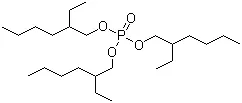
Trioctyl Phosphate (TOP), also known as Tris(2-ethylhexyl) Phosphate, Tri-2-ethylhexyl Phosphate, or TOP, with CAS No. 78-42-2, is a versatile organophosphorus compound widely used in industrial applications. This clear, colorless, and odorless viscous liquid has a molecular formula of (C8H17O)3PO and a molecular weight of 434.63. With a boiling point of 216°C at 4 mmHg, TOP is valued for its low volatility and high stability, making it ideal for applications such as plasticizers, solvents, and flame retardants.
CAS No.:78-42-2
Molecular formula:(C8H17O)3PO
Molecular weight: 434.63 (according to the Standard Atomic Weights 1987)
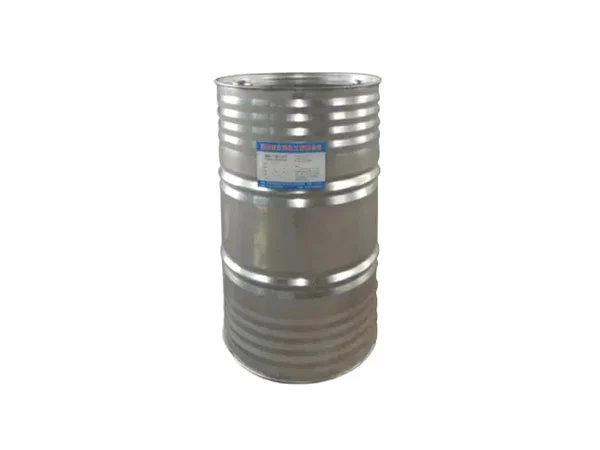
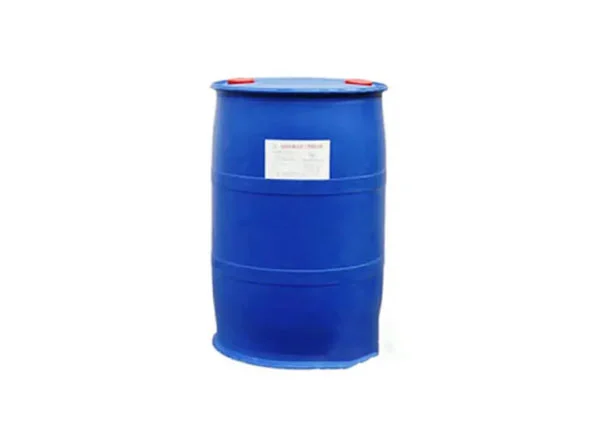
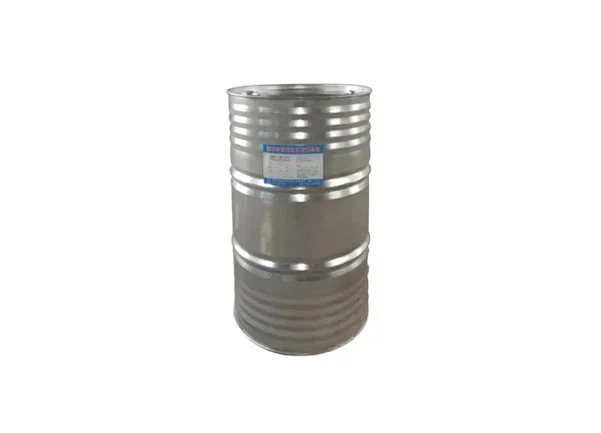
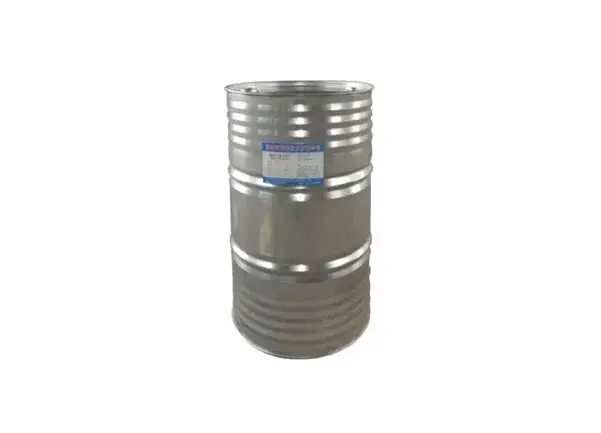
Packaging: 180 kg/galvanized iron drum; 1000 L/IBC ton barrel.
Trioctyl Phosphate is available in Superior and Industrial Grades to meet diverse industry needs. Below are the detailed specifications:
Item | Superior Grade | Industrial Grade |
Appearance | Transparent oily liquid without visible impurities | |
Trioctyl Phosphate Content (GC)% | ≥99.0 | ≥99.0 |
Dioctyl Phosphate Content (GC)% | ≤0.1 | ≤0.2 |
Octanol (GC)% | ≤0.1 | ≤0.15 |
Interfacial Tension mN/m(20℃ - 25℃) | ≥18 | ≥18 |
Acid value mgKOH/g | ≤0.1 | ≤0.2 |
Chroma (Pt-Co Color Number) | ≤20 | ≤30 |
Density (20℃) g/mL | 0.921~0.927 | 0.921~0.927 |
Moisture % | ≤0.1 | ≤0.2 |
Viscosity (cp) 25℃ mm2/s | ≤14 | ≤20 |

Longhua Group is a trusted manufacturer and supplier of Trioctyl Phosphate (TOP) CAS 78-42-2, offering:
High Purity: Both Superior and Industrial Grades exceed 99% purity, ensuring consistent performance.
Custom Packaging: Available in 180 kg galvanized iron drums or 1000 L IBC ton barrels to suit your needs.
Global Supply Chain: Reliable delivery from our Luoyang, China facility to industries worldwide.
Technical Support: Our experts provide guidance on TOP applications and safety protocols.
Sustainability Focus: We prioritize responsible production and disposal practices to minimize environmental impact.
Plasticizer Function: In the role of a plasticizer, TOP functions by reducing the intermolecular forces between polymer chains. It effectively increases the flexibility, softness, and workability of plastics, resins, and polymers. By reducing the polymer's rigidity, TOP enhances the material's ability to be molded or shaped into desired forms
Solvent Function: TOP acts as a solvent by dissolving or dispersing substances with different polarities. It can solubilize both polar and non-polar compounds due to its own intermediate polarity. This property makes TOP useful for dissolving dyes, oils, waxes, and other materials that may be challenging to dissolve in other solvents.
Extraction Function: As an extraction agent, TOP functions by selectively binding and extracting specific metal ions from aqueous or organic solutions. It forms complexes with metal ions, allowing for their separation and purification from other substances. This function is commonly utilized in metal recovery processes and hydrometallurgical operations.
Lubrication Function: TOP functions as a lubricant additive by forming a protective film on surfaces that reduces friction and wear between moving parts. It helps to minimize heat generation and damage caused by metal-to-metal contact. TOP's lubrication function is especially valuable in high-temperature environments where conventional lubricants may fail.
Flame Retardant Function: When used as a flame retardant additive, TOP functions by forming a barrier that inhibits the spread of flames. It can act as a physical barrier or a chemical coolant, reducing the heat release rate and delaying the ignition or combustion of materials. This function enhances the fire resistance of the treated materials.
Intermediate Function: TOP serves as a chemical intermediate in the synthesis of various compounds. It participates in reactions to produce derivatives used in the manufacturing of pharmaceuticals, surfactants, and specialty chemicals. By undergoing chemical transformations, TOP contributes to the formation of desired products.
TOP is a preferred solvent in the anthraquinone method, replacing dihydroterpineol due to its low volatility and high extraction partition coefficient.
Enhances flexibility and workability in plastics, resins, and polymers by reducing intermolecular forces.
Dissolves polar and non-polar compounds, such as dyes, oils, and waxes, due to its intermediate polarity.
Selectively binds metal ions for separation and purification in hydrometallurgical processes.
Forms a protective film to reduce friction and wear in high-temperature environments.
Inhibits flame spread by acting as a physical or chemical barrier, enhancing material fire resistance.
Used in synthesizing pharmaceuticals, surfactants, and specialty chemicals.
Toxicity: Trioctyl Phosphate has low acute toxicity but requires careful handling. Use protective equipment (e.g., gloves, goggles) and ensure proper ventilation during use to minimize risks.
Environmental Impact: Due to its low biodegradability, TOP is not environmentally friendly. Follow local regulations for proper disposal or recycling to prevent ecological harm.
Storage and Transportation: Store TOP in a dry, cool, ventilated area. Avoid exposure to intense heat, open flames, or oxidants to prevent combustion risks. Protect containers from impact and rain during transport.
TOP is used as a plasticizer, solvent, extraction agent, lubricant additive, flame retardant, and chemical intermediate in industries like chemical manufacturing, plastics, and metallurgy.
TOP has low acute toxicity but should be handled with protective equipment and proper ventilation to ensure safety.
TOP is available in 180 kg galvanized iron drums or 1000 L IBC ton barrels, shipped with precautions to avoid heat, flames, or impact.
Due to its low biodegradability, TOP requires careful disposal to minimize environmental impact.